
Zyrtec Dosage for Dogs: A Vet-Approved, Safe Guide for Pet Parents
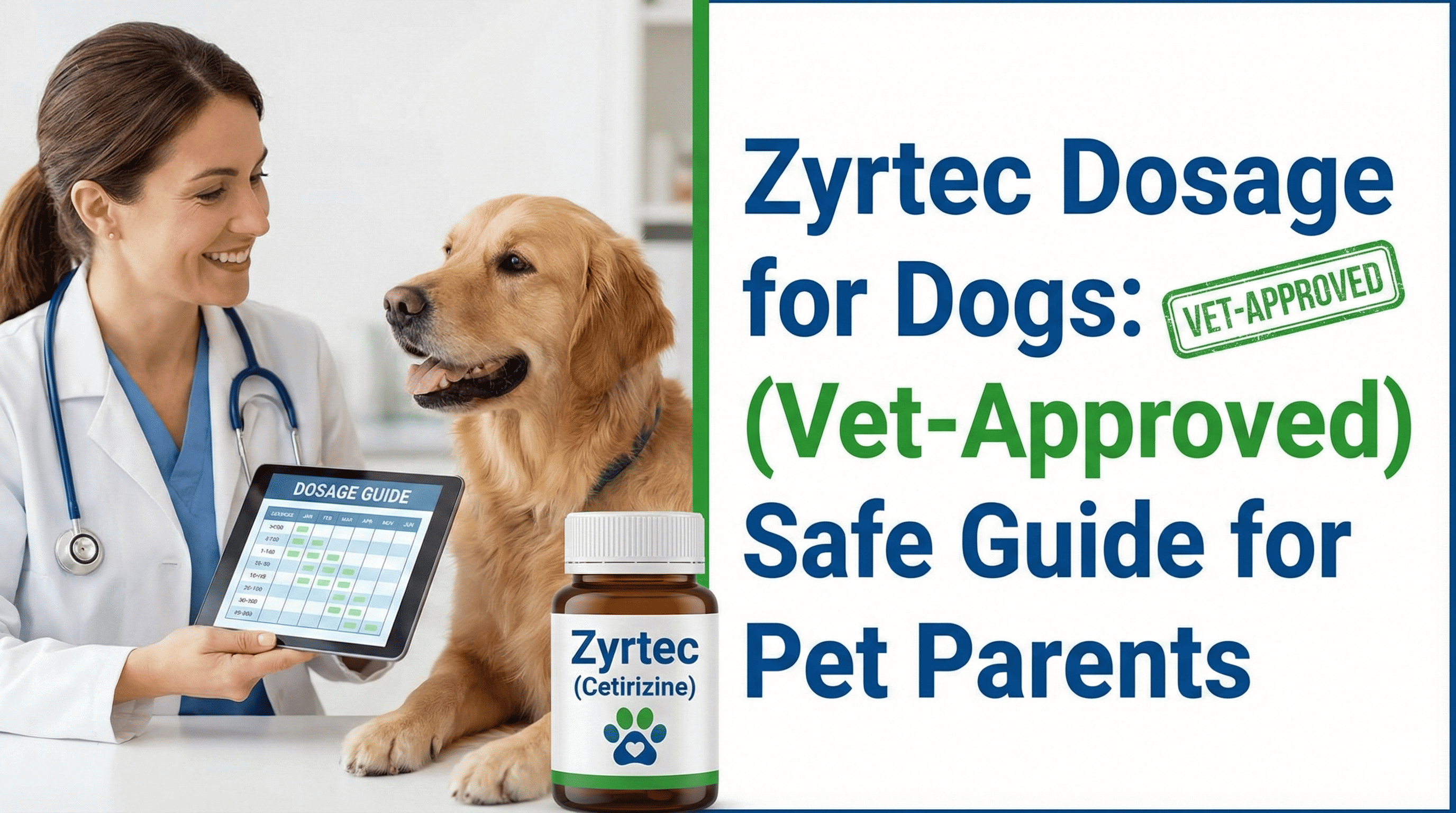
If your dog is scratching, licking, or sneezing more than usual, allergies might be the culprit. While human antihistamines like Zyrtec (cetirizine) are sometimes used to manage canine allergies, giving your dog any medication without proper guidance can be risky. As a pet parent, you want the best for your furry friend—but safety always comes first. This guide, informed by veterinary insights, explains everything you need to know about using Zyrtec for dogs, including safe dosage, potential side effects, and when to call your vet.
What Is Zyrtec—and Can Dogs Take It?
Zyrtec is an over-the-counter (OTC) antihistamine containing cetirizine, commonly used in humans to treat seasonal allergies, hives, and other allergic reactions. Unlike some other antihistamines (like Benadryl, which contains diphenhydramine), Zyrtec is generally considered safer for long-term use in dogs when used appropriately.
Important disclaimer: Never give your dog Zyrtec without first consulting your veterinarian. Not all formulations are safe—some versions contain pseudoephedrine (like Zyrtec-D), which is highly toxic to dogs. Always use the plain cetirizine version.
Why Might a Vet Recommend Zyrtec for Dogs?
Veterinarians may prescribe or recommend Zyrtec for dogs suffering from:
- Environmental allergies (e.g., pollen, dust mites, mold)
- Atopic dermatitis (chronic skin inflammation due to allergies)
- Mild allergic reactions (not life-threatening anaphylaxis)
- Seasonal itchiness or recurrent ear infections linked to allergies
Zyrtec works by blocking histamine receptors, which helps reduce itching, redness, and swelling. It’s not a cure, but it can significantly improve your dog’s comfort when used correctly.
Vet-Approved Zyrtec Dosage Guidelines
Dosage depends heavily on your dog’s weight, health status, and the severity of symptoms. Never guess the dose—always follow your vet’s specific instructions. That said, general veterinary guidelines for cetirizine in dogs are:
- Small dogs (under 10 lbs): 2.5 mg once daily
- Medium dogs (10–50 lbs): 5–10 mg once daily
- Large dogs (over 50 lbs): 10 mg once daily
Zyrtec tablets typically come in 5 mg and 10 mg strengths. Liquid formulations exist but often contain xylitol or alcohol—both are dangerous for dogs—so tablets are preferred.
Key Tips:
- Give Zyrtec with food to minimize stomach upset.
- Use only once every 24 hours unless directed otherwise.
- Never combine with other antihistamines or medications without vet approval.
Is Zyrtec Safe for All Dogs?
While many dogs tolerate Zyrtec well, it’s not appropriate for every pet. Use caution or avoid entirely if your dog has:
- Liver or kidney disease
- Pregnancy or nursing
- Known sensitivity to antihistamines
- A history of seizures
Puppies under 6 months should generally not receive Zyrtec unless under strict veterinary supervision.
Possible Side Effects to Watch For
Most dogs experience no side effects, but some may show mild reactions, including:
- Drowsiness (less common than with Benadryl)
- Dry mouth
- Vomiting or diarrhea
- Increased thirst
Rare but serious reactions include:
- Agitation or restlessness
- Difficulty urinating
- Worsening of allergy symptoms
If you notice any unusual behavior after giving Zyrtec, stop the medication and contact your vet immediately.
Zyrtec vs. Other Antihistamines for Dogs
| Medication | Active Ingredient | Common Side Effects | Duration of Action |
|---|---|---|---|
| Zyrtec | Cetirizine | Mild drowsiness | 24 hours |
| Benadryl | Diphenhydramine | Drowsiness, dry mouth | 6–8 hours |
| Claritin | Loratadine | Generally well-tolerated | 24 hours |
Zyrtec is often preferred over Benadryl because it causes less sedation and lasts longer. However, every dog responds differently—what works for one may not work for another.
When Zyrtec Isn’t Enough: Other Allergy Management Options
Antihistamines like Zyrtec help only about 20–30% of dogs with environmental allergies. If your dog isn’t improving after 1–2 weeks, talk to your vet about alternatives such as:
- Prescription medications: Apoquel (oclacitinib) or Cytopoint (injectable monoclonal antibody)
- Medicated shampoos or sprays
- Allergy testing and immunotherapy
- Dietary changes (if food allergies are suspected)
Managing allergies often requires a multimodal approach—Zyrtec may be just one piece of the puzzle.
Final Thoughts: Safety First, Always
As tempting as it may be to reach for your own allergy meds when your dog is uncomfortable, your best move is always to consult your veterinarian first. A quick phone call or office visit can prevent dangerous mistakes and ensure your dog gets the safest, most effective treatment.
Zyrtec can be a helpful, vet-approved tool for managing canine allergies—but only when used correctly. Keep your pup’s weight, health history, and current medications in mind, and never self-prescribe. Your dog’s comfort matters, but their safety matters more.
About the Author:
This article was carefully researched and written with input from licensed veterinary professionals. We prioritize pet safety, evidence-based guidance, and clear, compassionate advice for pet parents. Always consult your veterinarian before making changes to your pet’s health regimen.
Disclaimer: This article is for informational purposes only and is not a substitute for professional veterinary advice, diagnosis, or treatment.