
Gabapentin for Dogs Dosage Chart: A Complete, Vet-Reviewed Guide for Pet Parents
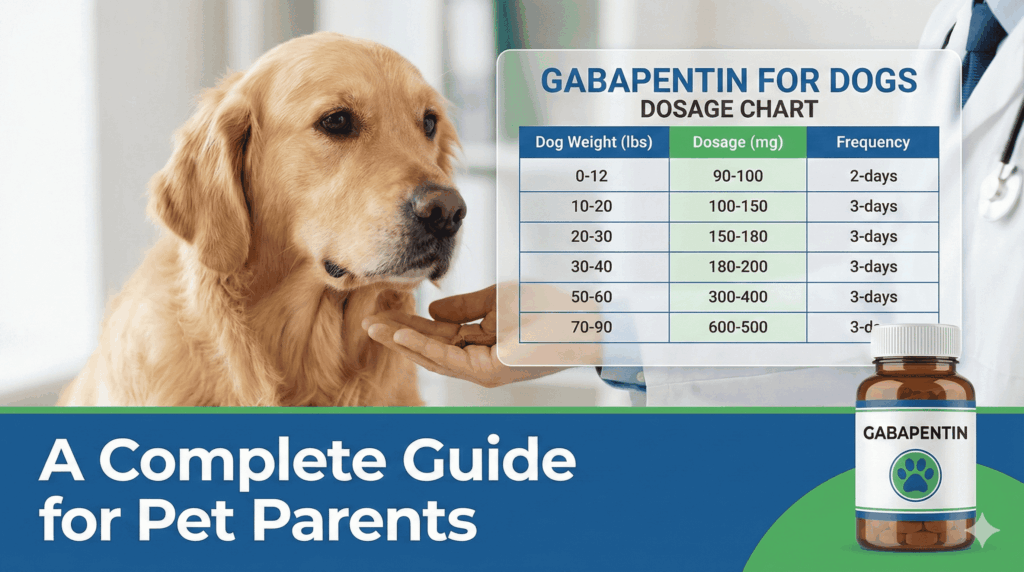
Gabapentin has become increasingly common in veterinary medicine—not for its original human use (treating seizures and nerve pain), but as a safe, effective option for managing anxiety, chronic pain, and even as a pre-anesthetic sedative in dogs. While it’s generally well-tolerated, dosing gabapentin correctly is critical. Too little may be ineffective; too much can cause drowsiness, wobbliness, or—rarely—more serious side effects.
This guide provides a clear, responsible, and veterinarian-informed overview of gabapentin use in dogs, including dosage guidelines, safety considerations, common uses, and crucial warnings. Always consult your veterinarian before giving gabapentin or any medication to your dog.
What Is Gabapentin?
Originally developed as an anti-seizure medication for humans, gabapentin works by calming overactive nerve signals. In veterinary practice, it’s primarily used off-label (meaning not FDA-approved for animals, but legally prescribed by vets based on clinical evidence) for:
- Chronic pain (e.g., arthritis, cancer pain, neuropathic pain)
- Anxiety relief (during thunderstorms, fireworks, vet visits, or travel)
- Seizure control (as an add-on therapy, not a primary treatment)
- Sedation before procedures (often combined with other medications)
Unlike opioids or NSAIDs, gabapentin doesn’t harm the liver or kidneys in most cases, making it a preferred choice for senior dogs or those with pre-existing conditions.
How Gabapentin Works in Dogs
Gabapentin affects calcium channels in the nervous system, reducing the release of excitatory neurotransmitters. The result? Less transmission of pain signals and a calming effect on the brain. Effects typically begin within 1–2 hours and last 8–12 hours, though this varies by dog and formulation.
Gabapentin Dosage for Dogs: General Guidelines
There is no universal dose. The right amount depends on your dog’s weight, condition, age, kidney function, and whether it’s being used for pain, anxiety, or sedation. That said, vets commonly use the following starting ranges:
| Purpose | Typical Dosage Range | Frequency |
|---|---|---|
| Chronic Pain | 5–10 mg per pound (10–20 mg/kg) | Every 8–12 hours |
| Anxiety | 10–20 mg per pound (20–40 mg/kg) | 1–2 hours before stressor |
| Seizure Support | 5–10 mg per pound (10–20 mg/kg) | Every 8 hours |
🔹 Example: A 30-lb dog with arthritis might receive 150–300 mg every 12 hours for pain. For fireworks anxiety, the same dog might get 300–600 mg a few hours before the event.
⚠️ Important: These are general ranges only. Your vet will tailor the dose based on your dog’s health profile.
Gabapentin Dosage Chart by Weight (Approximate)
| Dog Weight | Low Dose (Pain) | Moderate Dose (Pain/Anxiety) | High Dose (Anxiety/Sedation) |
|---|---|---|---|
| 10 lbs | 50–100 mg | 100–150 mg | 150–200 mg |
| 20 lbs | 100–200 mg | 200–300 mg | 300–400 mg |
| 30 lbs | 150–300 mg | 300–450 mg | 450–600 mg |
| 50 lbs | 250–500 mg | 500–750 mg | 750–1000 mg |
| 75 lbs | 375–750 mg | 750–1100 mg | 1100–1500 mg |
| 100 lbs | 500–1000 mg | 1000–1500 mg | 1500–2000 mg |
✅ Note:
- Doses are usually rounded to the nearest available capsule size (100 mg, 300 mg, or 600 mg).
- Liquid formulations (compounded) allow for more precise dosing in small dogs.
- Never split human tablets that are “extended-release” (ER, XR, or “Neurontin ER”)—these can release a dangerous overdose all at once in dogs.
Forms of Gabapentin for Dogs
- Capsules/Tablets (Immediate-Release) – Most common. Easy to hide in treats.
- Compounded Liquid – Ideal for small breeds or dogs who won’t swallow pills. Ensure it’s xylitol-free (xylitol is deadly to dogs).
- Transdermal Gels – Less reliable due to inconsistent absorption through the skin; not generally recommended as first-line.
Safety & Side Effects
Gabapentin is considered safe when used correctly, but side effects can occur:
Common (usually mild and temporary):
- Sedation or drowsiness
- Wobbliness (ataxia)—especially in older dogs
- Mild vomiting or diarrhea
Rare but Serious:
- Severe lethargy or collapse
- Difficulty breathing
- Allergic reaction (facial swelling, hives)
Special Warnings:
- Kidney disease: Gabapentin is excreted by the kidneys. Dogs with renal impairment need lower doses and longer intervals.
- Pregnancy/lactation: Safety not established—use only if clearly needed.
- Drug interactions: Use caution with opioids (increased sedation), antacids (reduces gabapentin absorption—give 2 hours apart), or other CNS depressants.
What to Do If You Miss a Dose or Overdose
- Missed dose: Give it as soon as you remember, unless it’s close to the next dose. Never double up.
- Overdose: Symptoms include extreme drowsiness, loss of coordination, or respiratory depression. Call your vet or pet poison helpline immediately. Most overdoses are not fatal but require supportive care.
Can You Use Human Gabapentin for Dogs?
Technically, yes—but only under veterinary supervision. However:
- Avoid extended-release (ER) human formulations—they can cause toxic blood levels in dogs.
- Never use liquid gabapentin meant for humans unless confirmed xylitol-free.
- Compounded veterinary versions are often safer and better-tasted.
FAQs Pet Parents Ask
Q: How long does gabapentin take to work?
A: For pain or anxiety, effects usually start within 1–2 hours and peak around 2–4 hours.
Q: Can gabapentin be stopped suddenly?
A: If used short-term (e.g., for anxiety during fireworks), yes. But for chronic use (weeks/months), taper slowly under vet guidance to avoid rebound pain or agitation.
Q: Is gabapentin addictive for dogs?
A: No evidence of addiction, but physical dependence can occur with long-term use—hence the need for gradual tapering.
Q: Can I give gabapentin with other pain meds like Galliprant or CBD?
A: Often yes—but only with vet approval. Combining medications requires careful monitoring.
Final Advice: Partner with Your Vet
Gabapentin can dramatically improve your dog’s quality of life—whether they’re coping with arthritis, fear of thunderstorms, or post-surgical discomfort. But it’s not a “one-size-fits-all” solution.
✅ Do:
- Get an accurate diagnosis before starting gabapentin
- Use the correct formulation (immediate-release only)
- Monitor your dog closely during the first few doses
- Keep all follow-up appointments
❌ Don’t:
- Guess the dose based on online charts alone
- Use leftover human prescriptions without vet input
- Ignore signs of excessive sedation or instability
When used wisely and under professional guidance, gabapentin is a gentle yet powerful ally in caring for your canine companion.
Disclaimer: This article is for informational purposes only and does not constitute veterinary medical advice. Always consult your licensed veterinarian before administering any medication to your dog.