
Why Is Your Dog Breathing Heavy? Causes, When to Worry, and What You Can Do
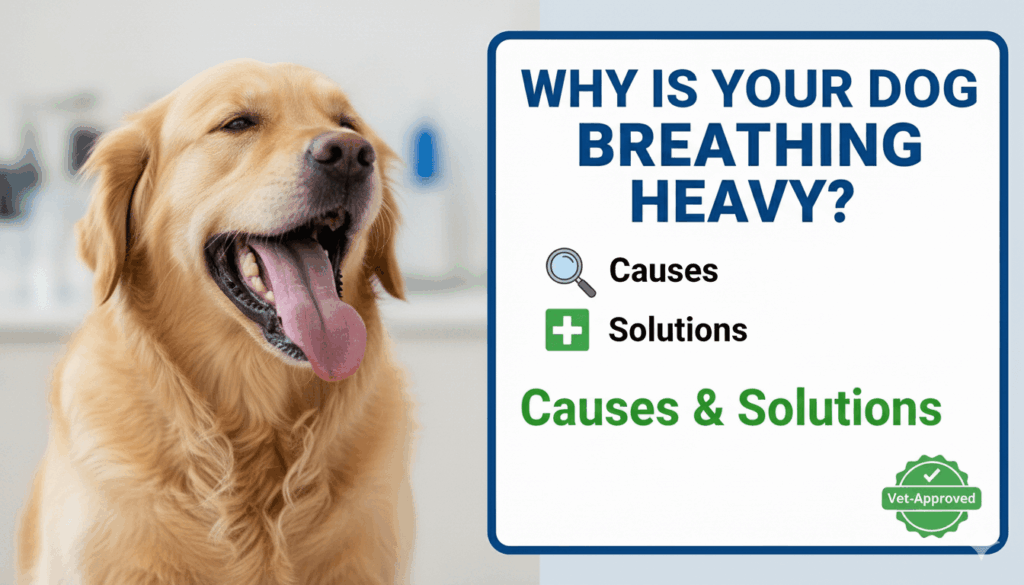
If you’ve noticed your dog breathing heavily—especially when they’re resting, not overheated, or seemingly unwell—it’s natural to feel concerned. Heavy breathing in dogs can range from completely normal (like after a game of fetch) to a sign of a serious underlying condition. As a pet parent, understanding the difference between typical panting and abnormal heavy breathing could be crucial to your dog’s health.
In this guide, we’ll explore the common and not-so-common reasons your dog might be breathing heavily, how to recognize warning signs, and what steps to take—backed by veterinary insight and real-world experience.
Normal vs. Abnormal Heavy Breathing: Know the Difference
Normal panting is a dog’s primary way to cool down. You’ll typically see it:
- After exercise or play
- On hot or humid days
- When excited or anxious (e.g., during car rides or vet visits)
This kind of panting is rhythmic, relatively quiet, and slows down once your dog rests or cools off.
Abnormal heavy breathing (dyspnea or tachypnea) may involve:
- Rapid, shallow breaths even at rest
- Nostrils flaring
- Belly or chest heaving with each breath
- Gums that appear blue, pale, or muddy (instead of healthy pink)
- Open-mouth breathing in a brachycephalic (short-nosed) dog that’s not typical for them
- Coughing, wheezing, or gagging alongside heavy breathing
If your dog shows these signs while calm and in a comfortable environment, it’s time to pay close attention—and possibly call your vet.
Common Causes of Heavy Breathing in Dogs
1. Heatstroke or Overheating
Dogs can’t sweat like humans—they rely on panting to regulate body temperature. In hot weather or enclosed spaces (like cars), overheating can escalate quickly into life-threatening heatstroke.
Signs: Excessive panting, drooling, vomiting, weakness, collapse
Action: Move to a cool area, offer water, wet their paws and belly with cool (not ice-cold) water, and seek emergency vet care immediately.
2. Anxiety or Stress
Fireworks, thunderstorms, vet visits, or separation anxiety can trigger heavy panting.
Signs: Panting, pacing, trembling, hiding, lip-licking
Action: Create a safe, quiet space. Use calming aids like Thundershirts or vet-approved supplements. For chronic anxiety, behavioral training or medication may be needed.
3. Heart Disease
Heart conditions (like congestive heart failure) can cause fluid to build up in the lungs, making it hard for your dog to breathe.
Signs: Persistent heavy breathing at rest, coughing (especially at night), fatigue, fainting
Action: Schedule a vet visit. Diagnostic tools like X-rays, echocardiograms, or blood tests can confirm heart issues. Treatment may include medication, diet changes, and activity restriction.
4. Respiratory Infections or Illnesses
Kennel cough, pneumonia, bronchitis, or even canine influenza can inflame the airways.
Signs: Coughing, nasal discharge, fever, lethargy, labored breathing
Action: Your vet may prescribe antibiotics, anti-inflammatories, or supportive care like nebulizers.
5. Pain or Injury
Dogs often pant when in pain—even if they’re not vocalizing it. Internal injuries, arthritis flare-ups, or post-surgical discomfort can all trigger heavy breathing.
Signs: Restlessness, reluctance to move, whining, guarding a body part
Action: Never give human pain meds (like ibuprofen or acetaminophen—they’re toxic to dogs). Contact your vet for safe pain management options.
6. Brachycephalic Airway Syndrome
Flat-faced breeds (e.g., Bulldogs, Pugs, Shih Tzus) often struggle to breathe efficiently due to narrowed nostrils, elongated soft palates, or small windpipes.
Signs: Snorting, snoring, noisy breathing, overheating easily
Action: Keep your dog cool, avoid overexertion, and maintain a healthy weight. In severe cases, surgical correction may be recommended.
7. Other Serious Conditions
Less common but critical causes include:
- Laryngeal paralysis (common in older large-breed dogs)
- Pulmonary edema (fluid in the lungs)
- Anemia (reduced oxygen-carrying capacity of blood)
- Foreign objects lodged in the airway
- Cancer (e.g., lung or chest tumors)
When to Call the Vet Immediately
Seek emergency veterinary care if your dog shows any of the following:
- Blue or gray gums or tongue
- Inability to lie down or get comfortable
- Breathing with mouth wide open and neck extended
- Collapse or extreme weakness
- Sudden onset of heavy breathing with no obvious cause
Even if your dog seems “okay,” persistent heavy breathing for more than a few hours at rest warrants a same-day vet visit.
What You Can Do at Home (Safely)
While waiting for a vet appointment or if your dog is mildly stressed:
- Stay calm: Dogs pick up on your energy—your composure helps them relax.
- Ensure good airflow: Open windows, use fans (not directly on them), and keep them in a cool room.
- Offer fresh water: Hydration supports respiratory and cardiovascular function.
- Limit activity: Avoid walks or play until the cause is known.
- Monitor closely: Note breathing rate (normal is 15–30 breaths per minute at rest), gum color, and behavior changes.
Do NOT:
- Give human medications
- Cover or wrap your dog tightly (can restrict breathing)
- Assume it’s “just old age”—heavy breathing is never normal in a resting senior dog
Prevention Tips for Long-Term Respiratory Health
- Maintain a healthy weight: Obesity puts extra strain on the heart and lungs.
- Use a harness instead of a collar: Reduces pressure on the trachea.
- Avoid hot/humid days for exercise: Walk during cooler morning or evening hours.
- Keep up with vaccinations: Prevents respiratory infections like kennel cough.
- Schedule regular vet check-ups: Early detection of heart or lung disease saves lives.
Final Thoughts
Heavy breathing in dogs isn’t always an emergency—but it’s always a signal worth investigating. By learning your dog’s normal breathing patterns, you’ll be better equipped to spot when something’s off. Trust your instincts: if you feel uneasy about your dog’s breathing, it’s better to err on the side of caution and call your vet.
Your dog can’t tell you what’s wrong—but with your attention, care, and prompt action, you can help them breathe easier, both literally and figuratively.
Disclaimer: This article is for educational purposes only and does not replace professional veterinary diagnosis or treatment. Always consult your veterinarian for concerns about your pet’s health.